What Is Sciatica?
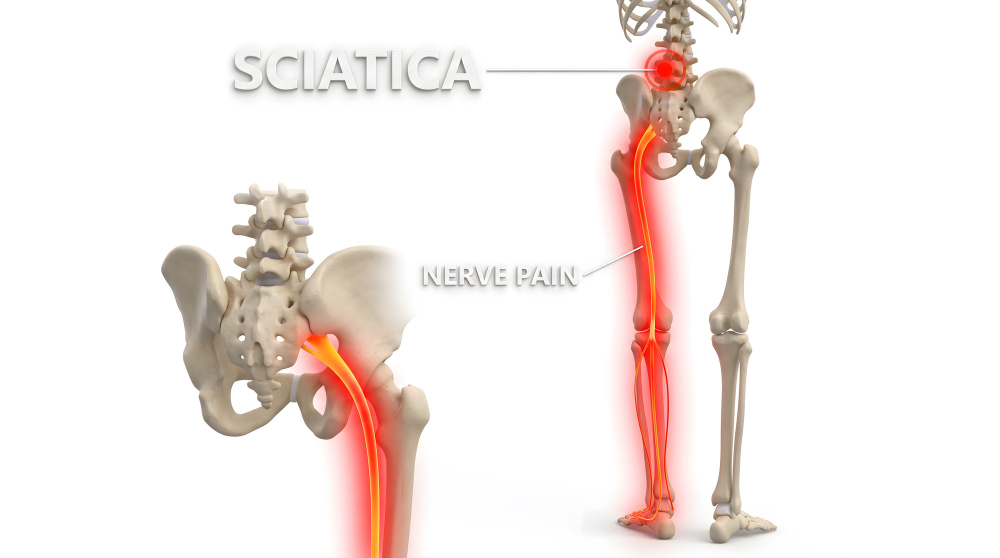
Sciatica is a common condition that causes pain along the sciatic nerve. This nerve runs from your lower back, through your hips, and down each leg. Often, sciatica pain relief becomes a priority for those who experience this discomfort. The pain can range from mild to severe. Sometimes, it feels like a sharp or burning sensation. According to the CDC, sciatica affects many adults at some point in their lives. While it can be alarming, most cases improve with simple care and time.
Common Causes of Sciatica
There are several reasons why someone might develop sciatica. Usually, the pain starts when something presses on the sciatic nerve. For example, a slipped or herniated disc is a frequent cause. But other problems can also lead to sciatica symptoms. Understanding these causes can help you seek the right orthopedic treatment for sciatica.
Sometimes, pregnancy or being overweight can also increase your risk. In some cases, no clear cause is found.
Recognizing Sciatica Symptoms
Sciatica symptoms can vary from person to person. However, most people notice pain that starts in the lower back and travels down one leg. For some, the pain is mild. For others, it can be severe and hard to ignore. In addition, you may notice other signs.
Because these symptoms can overlap with other conditions, it is important to see a doctor for proper diagnosis.
How Sciatica Is Diagnosed
Doctors use several steps to diagnose sciatica. First, they ask about your symptoms and medical history. Next, they perform a physical exam. During the exam, your doctor may check your reflexes, muscle strength, and how well you can move your legs. Sometimes, tests are needed to find the exact cause.
With these tools, doctors can recommend the best orthopedic treatment for sciatica pain relief.
Treatment Approaches for Sciatica
Many people find relief from sciatica with simple treatments. For example, rest and gentle movement can help. However, some cases may need more advanced care. If you are looking for sciatica treatment options in your area, your doctor can guide you. The right treatment depends on the cause and severity of your symptoms.
The World Health Organization notes that most people recover without surgery. Still, following your doctor’s advice is important for safe recovery.
Lifestyle Tips for Managing Sciatica
Even though sciatica can be painful, certain lifestyle changes can make a big difference. For instance, staying active helps keep your back strong. But you should avoid heavy lifting or twisting movements. Here are some tips to help manage your symptoms:
With these habits, you may notice less pain and fewer flare-ups over time.
Preventing Sciatica
While not all cases can be prevented, you can lower your risk with some simple steps. For example, regular exercise keeps your back and core muscles strong. In addition, lifting objects with your legs, not your back, helps protect your spine. Here are more ways to prevent sciatica:
Need the right healthcare guidance? Reach out to Dr. Narender Reddy