What is Osteoporosis?
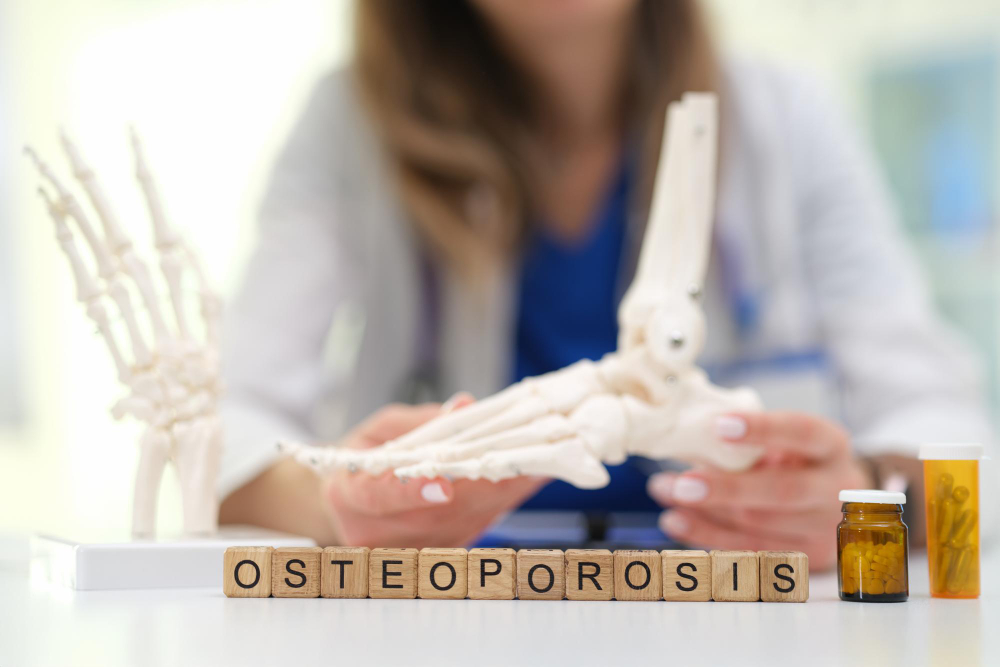
Osteoporosis is a condition that weakens bones. As a result, bones become fragile and break easily. Many people do not notice symptoms until a bone breaks. Because osteoporosis can affect anyone, it is important to know how it impacts health. According to the World Health Organization (WHO), millions of people worldwide have osteoporosis. In fact, it is a leading cause of fractures in older adults. Early awareness can help you protect your bone health.
Causes of Osteoporosis
Osteoporosis develops when the body loses too much bone or makes too little bone. Over time, bones lose strength. Several factors can cause this process. For example, hormonal changes play a big role. After menopause, women lose bone faster due to lower estrogen levels. In addition, aging slows down bone growth. Some medicines, like steroids, can also weaken bones. Poor diet and lack of exercise may speed up bone loss. Because these causes often work together, it is important to address them early.
Key Risk Factors
Many things can increase your risk of osteoporosis. While some factors cannot be changed, others can be managed. Here are the main risk factors:
Because many risk factors are linked, it is wise to review your lifestyle and health history with your doctor.
Prevention Tips for Osteoporosis
Although you cannot change your age or family history, you can take steps to protect your bones. Here are some proven prevention tips:
Because small changes add up, start with one or two tips and build healthy habits over time.
When to See a Doctor
It is important to talk to a doctor if you notice signs of weak bones. For example, back pain, loss of height, or a bone fracture after a minor fall may signal osteoporosis. In addition, if you have risk factors or a family history, ask about bone health screening. Early diagnosis can help prevent serious problems. Because treatment works best when started early, do not wait for symptoms to get worse.
For personalized osteoporosis prevention and care advice, consult Dr. Narender Reddy.