What is a Slipped Disc in Children?
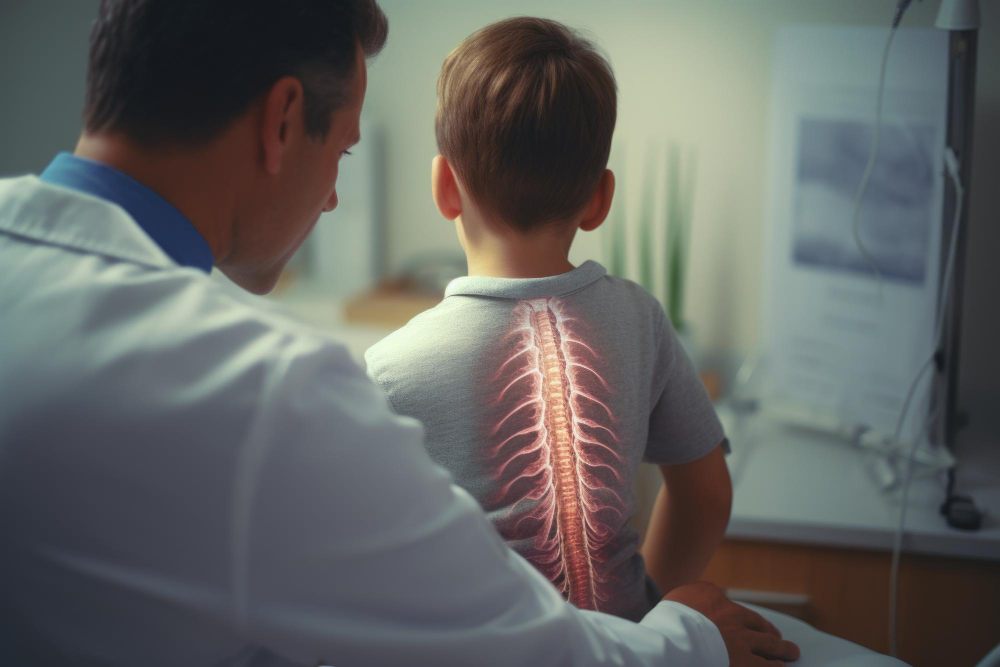
Slipped discs in children are rare but can cause back pain and discomfort. A slipped disc happens when a soft cushion between the bones in the spine moves out of place. This cushion is called a disc. When it slips, it may press on nerves and cause pain. Although adults get slipped discs more often, children can also be affected. Early care is important because children’s bodies are still growing. If not treated, a slipped disc can lead to more problems later.
Common Symptoms of Slipped Discs
Children with a slipped disc may show different signs. Sometimes, the symptoms are mild. Other times, they can be severe. For example, a child may complain of back pain after lifting something heavy. However, not all back pain means a slipped disc. Watch for these common symptoms:
If your child has these symptoms, it is important to see a doctor. Early diagnosis can help prevent further injury.
Causes and Risk Factors
Although slipped discs in children are not common, certain factors can increase the risk. For instance, a sudden injury or fall may cause a disc to slip. In some cases, repeated heavy lifting or sports injuries can also lead to this problem. Additionally, children with weak back muscles or poor posture are at higher risk. Some children may have a family history of back problems, which can make them more likely to develop a slipped disc.
Because children are active, it is important to watch for signs after any injury.
How Slipped Discs are Diagnosed
Doctors use several steps to diagnose a slipped disc in children. First, they ask about the child’s symptoms and medical history. Next, they perform a physical exam to check for pain, weakness, or numbness. Sometimes, doctors may order imaging tests. For example, an MRI or X-ray can help show the position of the discs. These tests are safe and help doctors see what is happening inside the spine. Early diagnosis is key to finding the right treatment.
Treatment Options for Slipped Discs in Children
Treatment for pediatric slipped discs depends on the severity of symptoms. In many cases, doctors start with simple steps. For example, rest and gentle stretching can help. Pain medicine may also be used for relief. Physical therapy is often recommended to strengthen back muscles. In rare cases, if symptoms do not improve, surgery may be needed. However, most children recover without surgery. According to the American Academy of Pediatrics, non-surgical treatments work well for most young patients.
Always follow your doctor’s advice for the best results.
Home Care and Lifestyle Tips
At home, there are steps you can take to help your child recover. For instance, encourage your child to rest but avoid staying in bed all day. Gentle movement can help the back heal. In addition, teach your child to use proper posture when sitting or standing. If your child is in pain, use ice packs or heat pads as recommended. Moreover, help your child avoid lifting heavy objects until they feel better. Eating healthy foods and staying at a healthy weight can also support recovery.
With these steps, most children feel better in a few weeks.
Prevention Strategies
Preventing slipped discs in children is possible with some simple habits. First, teach your child to lift objects with their legs, not their back. Also, make sure backpacks are not too heavy and are worn on both shoulders. Encourage regular exercise to keep back muscles strong. In addition, remind your child to take breaks from sitting for long periods. Good posture is important, both at school and at home. Finally, help your child maintain a healthy weight to reduce stress on the spine.
By following these tips, you can help protect your child’s back health.
Conclusion
Slipped discs in children are rare but can cause pain and limit activity. However, with early care and the right treatment, most children recover fully. If your child has back pain or other symptoms, consult Dr. Narender Reddy, a pediatric specialist, for personalized advice on slipped discs in children.